
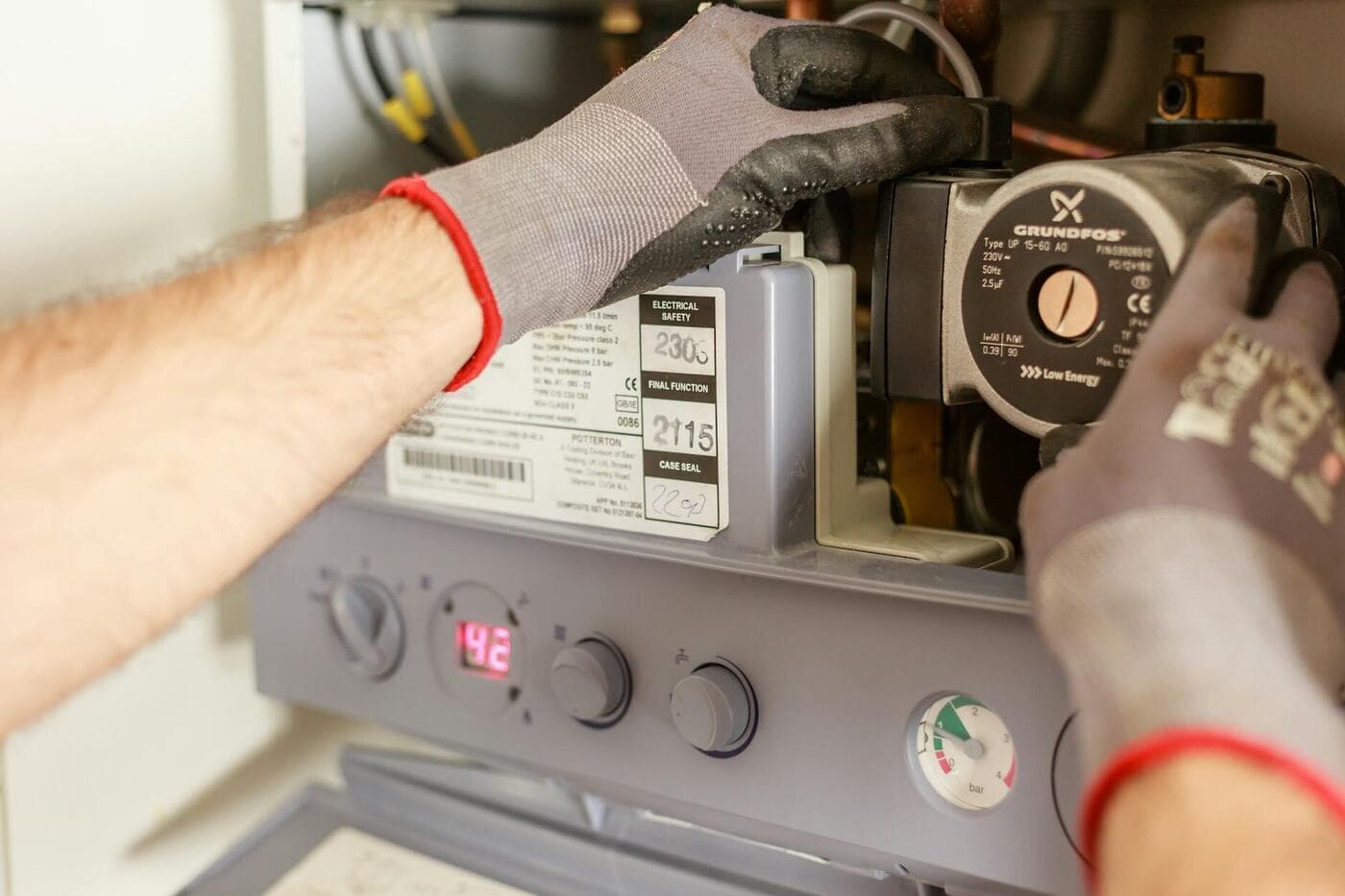
Sacramento winters are mild by most standards, but nighttime temperatures regularly drop below 40°F, and a furnace failure in January is genuinely uncomfortable. More importantly, some furnace problems are safety hazards. Here are the seven signs you should know.
1. Unusual Noises
Your furnace should run relatively quietly — a hum, the sound of the blower, and the occasional click of the thermostat. Anything beyond this warrants attention:
- Banging or popping when the system starts: Often caused by delayed ignition — gas builds up before igniting, causing a small explosion. This needs immediate attention.
- Squealing or screeching: Blower motor bearing failure or belt wear (older belt-drive systems). The motor will eventually fail if not addressed.
- Rattling: Loose panels, screws, or debris in the blower wheel. Usually minor, but worth checking.
- Rumbling while running: Could indicate burner issues or combustion problems.
2. Increased Energy Bills
If your gas bills have risen significantly over the last one or two winters without a change in usage, your furnace may be losing efficiency. Causes include:
- Dirty burners that burn fuel inefficiently
- A cracked heat exchanger
- Worn blower motor that works harder to move the same air
- Dirty air filter (fix this yourself right now)
Compare this winter's bills to the same months last year. A 20%+ increase without obvious cause is worth investigating.
3. Uneven Heating or Cold Spots
If some rooms in your home are comfortable while others stay cold:
- Check that supply vents in cold rooms are open and unobstructed
- Check the air filter (a clogged filter reduces airflow to all rooms)
- If these are fine, you may have duct leaks, a failing blower motor, or a furnace that's struggling to produce adequate output
4. Yellow or Flickering Flame — NEVER IGNORE THIS
This is the most important sign on the list. A healthy gas furnace flame should be blue. A yellow, orange, or flickering flame can indicate incomplete combustion — and potentially carbon monoxide production.
Carbon monoxide is odorless and colorless and can be fatal. If you see a yellow or orange flame:
- Turn off the furnace
- Open windows
- Call a professional immediately
Install carbon monoxide detectors on every floor of your home. California law requires them in most residences, and they save lives.
5. Frequent Cycling On and Off
If your furnace turns on, runs briefly, then shuts off before your home reaches the setpoint — and repeats — this is called "short cycling." Causes include:
- Dirty air filter restricting airflow (overheating protection kicks in)
- Clogged or closed vents
- Overheating due to another problem (heat exchanger issue, etc.)
- A faulty thermostat or thermistor
Short cycling causes excessive wear on the ignition system and control board.
6. Your Furnace Is Over 20 Years Old
Age itself isn't a "repair sign," but it changes how you should respond to other signs. A 7-year-old furnace with a failing igniter is worth repairing. A 22-year-old furnace with the same failure is a different calculus — you're likely approaching the end of service life, and parts may be scarce or discontinued.
If your furnace is over 20 years old, get an honest assessment from a technician about whether repair makes financial sense or whether planning for replacement is more prudent.
7. The System Isn't Heating Adequately
If your furnace runs continuously but can't maintain your setpoint on cold nights, the system may be:
- Undersized for the home's heat load
- Losing efficiency due to heat exchanger damage
- Failing to fire all burner stages
- Operating with a failing blower motor
During Sacramento's cold snaps (nights in the upper 20s–30s), a properly functioning furnace should have no trouble maintaining 68–70°F indoors.
When to Call
Immediately: Yellow flame, carbon monoxide detector alarm, banging on ignition, smell of gas near the furnace.
Within a few days: Increased energy bills, unusual noises, short cycling, inadequate heat.
Plan ahead: Furnace over 15 years old with any issues — get an assessment and start planning for replacement before an emergency.
Concerned about your furnace? Call PULSE HVAC at (916) 850-2221 for a same-day diagnosis. We'll tell you honestly whether you need a repair or a replacement.